Sortowanie za pomocą Bitonic sort.

Bitonic Sort description: Bitonical Sort starts by grouping numbers in 2 groups, every group’s top value is moved either to the top or bottom. Next, those groups are compared with a neighbor to sort groups of 4 by diving values by size recursively.
Bitonic Sort example: You are running a 64-player single elimination tournament to find how good everyone is at a game. In the bracket, you start with 32 groups of 2. After a winner is decided, the winners fight another group. Enough games take place between the 2 groups to know the order of all 4 people. These battles happen with every group until a true winner is decided.
Sortowanie metodą Bogo Sort
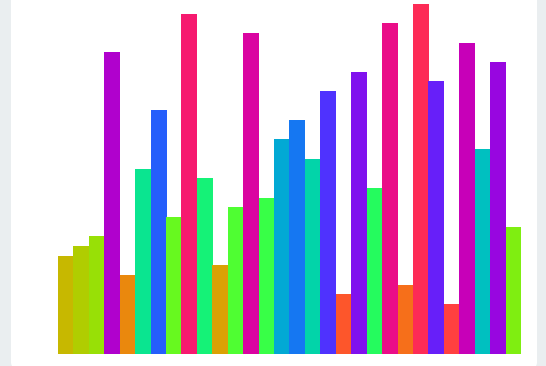
Bogo Sort description: Bogo Sort randomizes the list of elements. Than it checks if the elements are sorted.
Bogo Sort example: Your child has a bag of 8 colored marbles that they are trying to organize. they keep rolling the marbles around randomly until it makes a rainbow. On average, after rolling 2,903,040 marbles your baby is likely to sort them.
Sample Sort
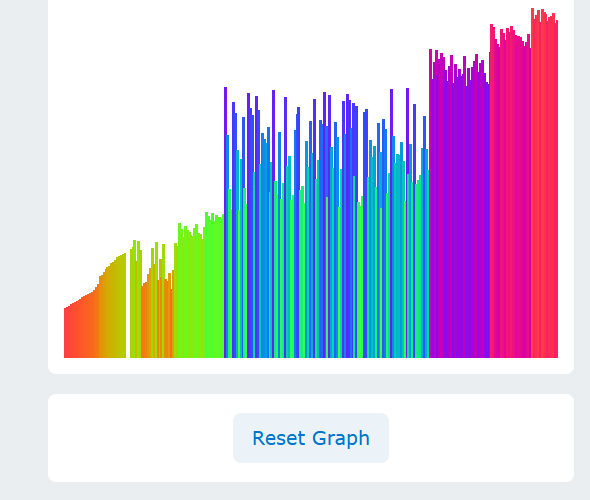
Sample Sort description: Sample Sort works using three steps. First, gather the first few elements, sort the values, and creates a bucket with each. Second, loop through the data and place each element in a bucket based on their value. Third, loop through each bucket and sort the elements.
Sample Sort example: An AI is collecting information about cars with no prior knowledge. The AI gives you 6 completely random pictures of cars using traffic cameras. After you labelled the 6 cars, it start labelling cars using the 6 labels. Now, the AI shows you every car for you to label, you identify each one individually. Now the AI knows about every type of car.
Odd-Event Sort

Odd-Even Sort description: Odd-Even Sort compares every other numbered element in a list with the one to the right of it, such that no elements are compared twice. The algorithms repeats this process until the list is sorted.
Odd-Even Sort example: As a coder, someone swapped all the lines of your code during lunch break. By moving one line at a time (Alt + ARROW_KEYS) you need to fix the mistake. Every even line number you will swap with the next line if out of order. You repeat this with odd line numbers. Keep swapping evens and odds until it is sorted.
Heap Sort

Heap Sort description: Heap Sort maintains a tree (or „heap”) as an unsorted array and an additional sorted array. Every iteration the heap sort moves the tallest element into the sorted array, and then it maintains the heap.
Heap Sort example: You are managing a recruitment team for a big company. Each bottom-level employees receives a batch of applications that will be organized by skill. Middle-level receives a few applications from bottom-level, they organize them by skill. The top-level selects from applications the middle-level gave them.
Stooge Sort
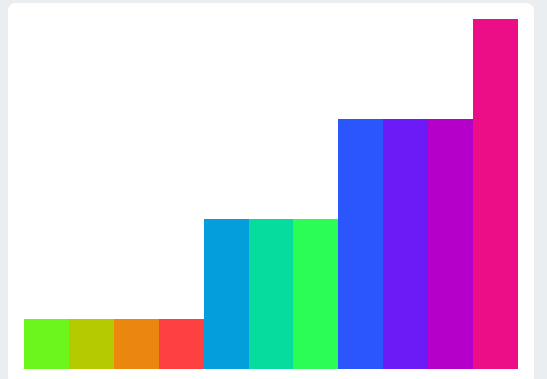
Stooge Sort description: Stooge Sort replaces the first and last element of an array. Than the sort uses more Stooge Sorts to sort the following in order: first 2/3rds, the last 2/3rds, and the first 2/3rds.
Stooge Sort example: At a accounting company with 3 employees, you decided to organize a filling cabinent that nobody ever tried to even come close to organizing. You decide to split up the labor between the other 2 employees, everyone sorts 2/3rds of it. To split the work throughout the day, you sort 2/3rds 3 times.
Regulamin bezpiecznego korzystania z Internetu
§ 1. Postanowienia ogólne
- Każdy użytkownik Internetu zobowiązany jest do przestrzegania zasad bezpieczeństwa i kultury.
- Internet należy wykorzystywać w sposób odpowiedzialny i zgodny z prawem.
- Należy pamiętać, że nie wszystkie informacje znalezione w Internecie są prawdziwe.
§ 2. Ochrona danych osobowych
- Nie wolno udostępniać obcym osobom swoich danych osobowych, takich jak adres zamieszkania, numer telefonu czy hasła.
- Nie należy publikować prywatnych zdjęć i informacji bez zastanowienia.
- Hasła powinny być trudne do odgadnięcia i nie należy ich nikomu przekazywać.
§ 3. Bezpieczne korzystanie ze stron internetowych
- Nie należy otwierać podejrzanych linków i załączników.
- Nie wolno pobierać plików z nieznanych i niezaufanych stron.
- Należy korzystać z programów antywirusowych i aktualizować urządzenia.
- Nie należy odpowiadać na podejrzane wiadomości i reklamy.
§ 4. Kultura w Internecie
- Należy szanować innych użytkowników Internetu.
- Nie wolno obrażać, wyśmiewać ani nękać innych osób.
- Nie należy publikować cudzych zdjęć i informacji bez ich zgody.
- Trzeba pamiętać, że po drugiej stronie ekranu znajduje się prawdziwy człowiek.
§ 5. Kontakty z nieznajomymi
- Nie należy ufać osobom poznanym w Internecie bez sprawdzenia ich wiarygodności.
- Nie wolno umawiać się na spotkania z nieznajomymi bez wiedzy rodziców lub opiekunów.
- Nie należy wysyłać obcym osobom swoich zdjęć ani innych prywatnych materiałów.
- W przypadku podejrzanych lub niepokojących wiadomości należy poinformować zaufaną osobę dorosłą.
§ 6. Reagowanie na zagrożenia
- W przypadku cyberprzemocy należy zachować dowody, np. zrzuty ekranu.
- Nie wolno odpowiadać agresją na obraźliwe wiadomości.
- Podejrzane treści i zachowania należy zgłaszać administratorom stron.
- W razie zagrożenia należy poprosić o pomoc rodziców, nauczycieli lub opiekunów.
§ 7. Postanowienia końcowe
- Każdy użytkownik powinien przestrzegać powyższych zasad.
- Należy korzystać z Internetu z umiarem i dbać o zdrowie.
- Bezpieczeństwo w Internecie zależy od odpowiedzialnego zachowania każdego użytkownika.
Pamiętaj! Myśl, zanim klikniesz, chroń swoje dane i szanuj innych. Internet jest bezpieczny wtedy, gdy korzystamy z niego rozsądnie!
Porównanie AI

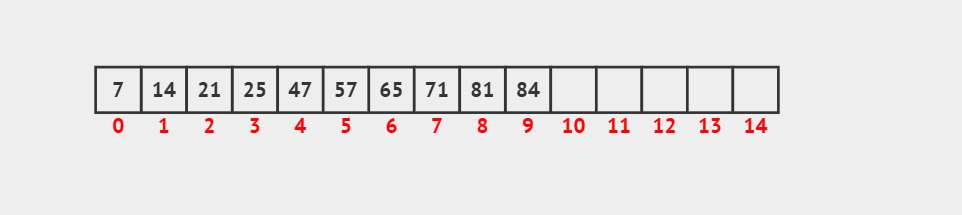
Aglgortym Zachłanny (ang. Greedy Algorithm) to algorytm sortujący który pokazuje ciąg czyczynowo skutkowy.
Pokazane:
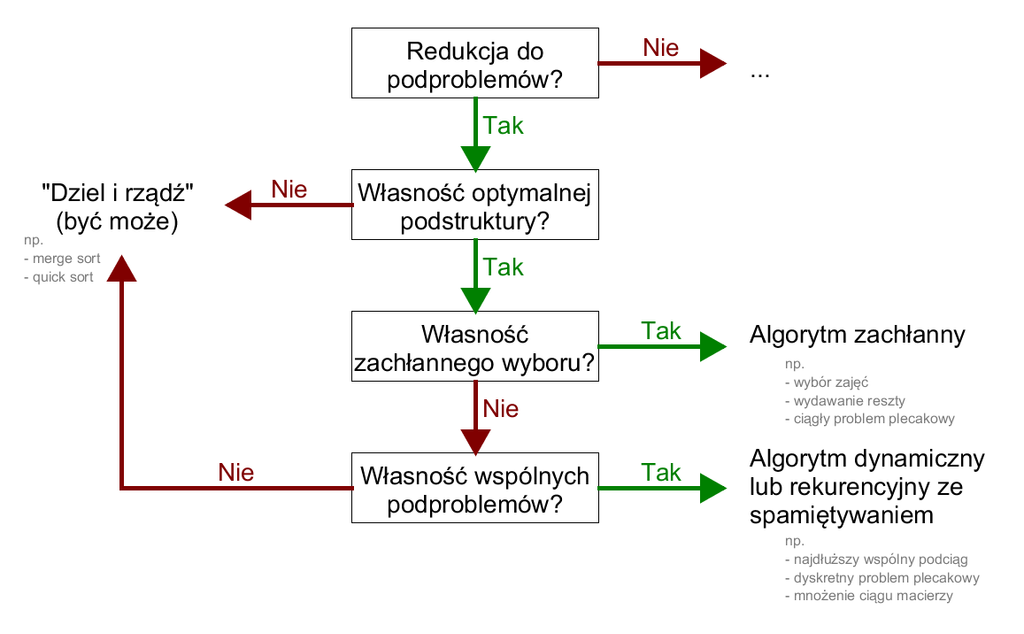
Wybór zachłanny: W każdym kroku algorytm bierze opcję, która natychmiast daje największą korzyść (nie zastanawia się nad konsekwencjami w dalekiej przyszłości).
Brak powrotów (bez nawrotów): Raz podjęta decyzja nie jest już zmieniana ani cofana. Algorytm po prostu dokłada kolejne elementy do budowanego rozwiązania.
Brak gwarancji sukcesu globalnego: Ponieważ podejmuje decyzje tylko na podstawie „tu i teraz”, w niektórych problemach nie znajduje najlepszego rozwiązania na świecie (globalnego optimum), lecz jedynie tzw. optimum lokalne.